
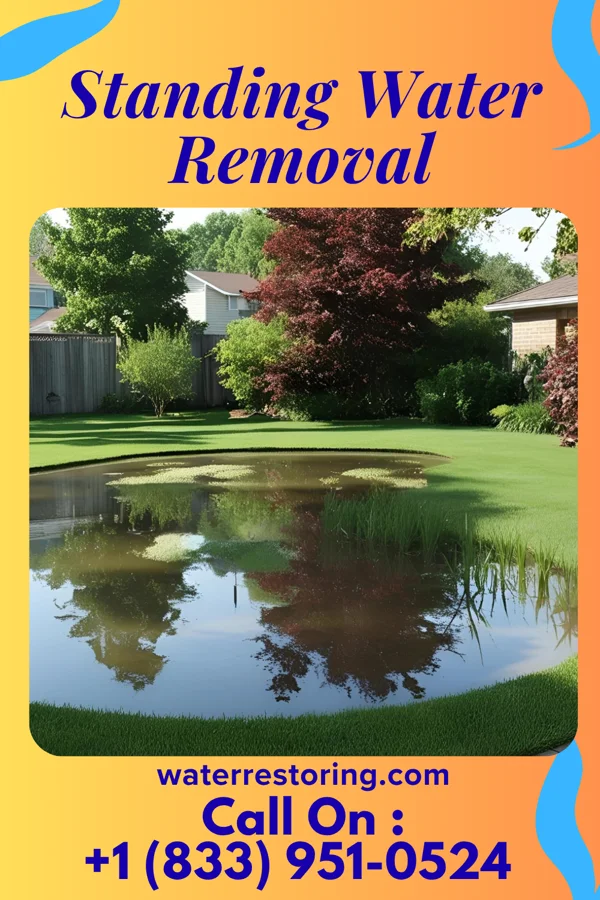
Standing Water & Insurance in Langhorne Manor
In Langhorne Manor, Pennsylvania, the primary water damage cause is often due to plumbing failures in older homes, especially in the rural areas near Penndel and Hulmeville. Additionally, heavy rainfall in the Bucks County region can lead to basement flooding, particularly during spring thaw or severe storm events. is the trigger behind most standing water removal claims in Langhorne Manor. A close second is Secondary causes include leaking roofs in historic homes, faulty sump pumps, and sewer backups that commonly affect the suburban neighborhoods of Langhorne and Hulmeville. These issues are exacerbated by the area's clay soil, which can retain water and lead to prolonged moisture issues.. Most homeowner insurance policies cover sudden, accidental water damage. What separates a clean claim from a stuck one is fast professional response with documentation an adjuster can actually use.
Langhorne Manor experiences a humid continental climate, with heavy spring rains and occasional summer thunderstorms that increase the risk of water intrusion. The region's proximity to the Delaware River also contributes to flooding risks during high-water events.
Most standing water removal calls in Langhorne Manor come from In Langhorne Manor, Pennsylvania, the primary water damage cause is often due to plumbing failures in older homes, especially in the rural areas near Penndel and Hulmeville. Additionally, heavy rainfall in the Bucks County region can lead to basement flooding, particularly during spring thaw or severe storm events.. Running a close second is Secondary causes include leaking roofs in historic homes, faulty sump pumps, and sewer backups that commonly affect the suburban neighborhoods of Langhorne and Hulmeville. These issues are exacerbated by the area's clay soil, which can retain water and lead to prolonged moisture issues.. Local mold risk: Mold growth in Langhorne Manor can occur within 48 hours of water exposure, especially in older homes with poor insulation. The high humidity and frequent rainfall accelerate mold development, making prompt action critical to prevent health risks and structural damage.